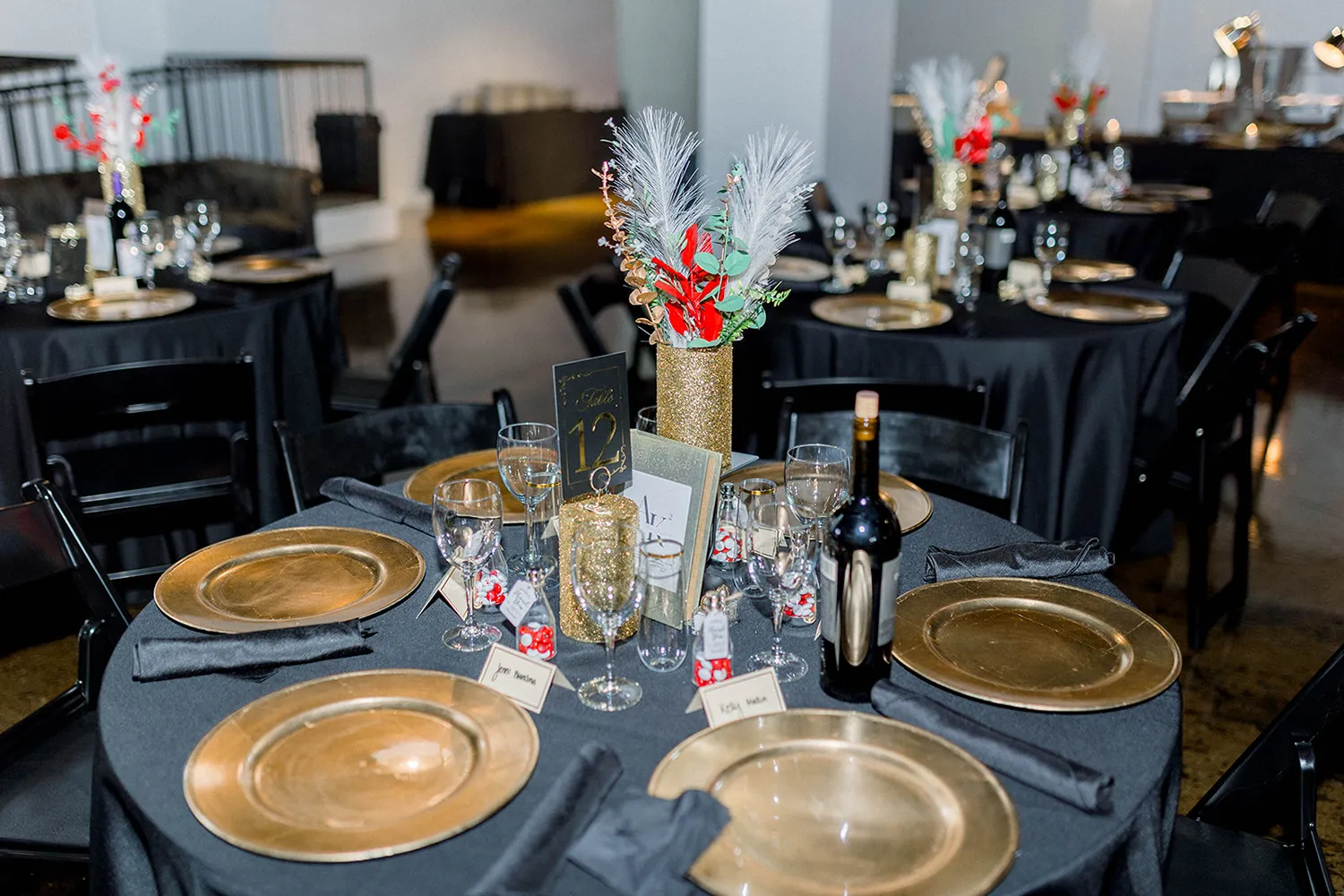
Swag bags fade. Experiences stick. Companies are rethinking how they invest in events—and shifting budgets away from branded giveaways toward moments people actually remember. For years, event success was measured by what guests took home. Today, it’s defined by what they felt, shared, and remembered.
As expectations evolve, organizations are prioritizing experiential events that foster connection, engagement, and long-term brand value. This shift reflects broader event marketing trends, where audiences expect more than passive attendance. They want to participate, interact, and walk away with a story worth sharing. In this post, we’ll explore why experiences are outperforming traditional giveaways, how companies are designing more impactful events, and what this means for the future of experiential marketing events and corporate experiential events.
What’s inside
Why the shift is happening, what it looks like in practice, and how to design events that people actually remember.
The Decline of the Traditional Swag Bag
For years, swag bags were a staple of corporate events. Branded tote bags, pens, water bottles, and tech accessories were seen as value-adds; something tangible guests could take with them. But the reality is that most corporate swag ideas rarely deliver lasting impact.
Many items are forgotten in hotel rooms, left behind at the venue, or eventually discarded. Even when they’re kept, they often fail to create any meaningful emotional connection with the brand. A logo on a water bottle doesn’t tell a story. It doesn’t create a memory.
When comparing event giveaways vs experiences, the gap becomes clear. Swag offers a short-lived touchpoint, while experiences create lasting impressions. As companies evaluate ROI more closely, it’s no longer enough to distribute items—there needs to be a deeper, more intentional connection with attendees.
Traditional Swag
- ×Forgotten in hotel rooms or left at the venue
- ×No emotional connection to the brand
- ×Short-lived touchpoint — value ends at pickup
- ×Rarely shared or talked about after the event
- ×Hard to measure ROI or attribute outcomes
Experiential Events
- ✓Creates lasting emotional impressions
- ✓Drives higher engagement and stronger brand recall
- ✓Generates organic social sharing and word-of-mouth
- ✓Builds real relationships between brand and audience
- ✓ROI extends long after the event ends

What the Experiential Revolution Looks Like
Experiences create meaning; not clutter. That’s the driving philosophy behind today’s most effective events.
Modern experiential events are designed to be interactive, people-focused, and emotionally engaging. Instead of simply attending, guests are invited to participate. Whether it’s a hands-on product demonstration, an immersive brand activation, or a thoughtfully curated environment, these events prioritize connection over consumption.
This shift aligns with broader experiential marketing trends, where brands are moving away from one-way communication and toward shared experiences. The goal is to create moments that resonate—ones that spark conversation, build relationships, and leave a lasting impression.
At their core, experiential marketing events are about designing environments where people feel something. Because when people feel something, they remember it — and they talk about it.
Why Experiences Deliver Better ROI Than Swag
Memorable moments outperform physical items, especially when it comes to return on investment.
Experiences naturally drive higher engagement. Guests are more likely to interact, stay longer, and immerse themselves in the event when there’s something meaningful to do or feel. This increased engagement leads to stronger brand recall, making brand experience events far more effective than traditional giveaways.
From a perception standpoint, experiences also elevate the brand. A well-executed event signals intention, creativity, and investment—qualities that reflect positively on the organization hosting it.
Perhaps most importantly, experiential events generate organic exposure. Attendees share their experiences on social media, talk about them with colleagues, and carry those impressions forward. This kind of word-of-mouth marketing is difficult to replicate with physical items.
When evaluating experiential event ROI, the value extends far beyond the event itself. It lives on in conversations, content, and relationships built during the experience.
How Companies Are Reallocating Event Budgets
Budgets are shifting from stuff to substance. Instead of allocating significant funds to mass-produced items, companies are investing in elements that directly enhance the guest experience.
This shift is evident across many corporate event trends. Fewer giveaways, more intentional design. Less quantity, more quality. Companies are focusing on atmosphere, flow, and interaction—elements that shape how an event feels rather than what it distributes.
Where the budget is going instead
Out
Mass-produced branded merchandise
Generic giveaways
Bulk quantity over quality
In
Lighting design and atmosphere
Interactive installations
Enhanced catering experiences
Elevated production value
In practice, this might mean investing in lighting design instead of branded merchandise, or prioritizing interactive installations over bulk giveaways. It could also involve enhanced catering experiences, curated entertainment, or elevated production value.
The result is a new standard for corporate experiential events—one where every dollar is spent with the guest experience in mind.
Key Elements of a Memorable Experiential Event
Successful experiential events don’t happen by accident—they’re intentionally designed.
Thoughtful Design & Flow
The layout should encourage movement, exploration, and interaction — guiding guests through a connected experience rather than leaving them stuck in one place.
Interactive Touchpoints
Hands-on demos, live customization, and immersive installations transform attendees from observers into active participants — the difference between attendance and engagement.
Emotional Connection
Storytelling, intentional programming, and brand messaging create resonance. When guests feel connected to the experience, it becomes genuinely memorable.
The Right Venue
Flexible layouts, built-in AV, and an accessible location aren’t nice-to-haves — they’re the foundation that makes everything else possible. Radius in Indianapolis is built for exactly this.

Where Experiential Events Are Showing the Most Impact
Experiential strategies are proving effective across a wide range of industries and event types.
Corporate meetings and leadership retreats are becoming more immersive, focusing on collaboration and engagement rather than passive presentations. Client appreciation events are evolving into curated experiences that strengthen relationships. Brand activations are becoming more interactive, creating opportunities for direct engagement with products and services.
Even internal team celebrations are embracing experiential elements, recognizing that employee engagement is just as important as external brand perception.
Cities like Indianapolis are particularly well-positioned for these types of events. With a central location and a growing selection of high-quality event venues Indianapolis offers, companies can create accessible, high-impact experiences that draw both local and national audiences.
The Role of the Venue in Experiential Success
The right space doesn’t just host an event; it enables it.
A strong venue provides the flexibility needed to design dynamic, interactive experiences. Open layouts, adaptable configurations, and multiple zones allow planners to create distinct moments within a single event. These are essential features for experiential event venues.
Built-in lighting and AV capabilities also play a major role. Seamless technology supports everything from presentations to immersive environments, ensuring the experience feels polished and intentional.
Location matters, too. Centrally located event venues Indianapolis attendees can easily access help reduce friction and improve turnout.
Radius exemplifies these qualities. With flexible layouts, a turfed outdoor lawn, three garage doors that open to the exterior, modern design, and a central downtown location directly across from Lucas Oil Stadium, it provides a foundation for corporate experiential events that are both impactful and efficient to execute.
Swag Isn’t Gone, It’s Just Evolving
Swag isn’t disappearing; it’s becoming more intentional.
In today’s landscape, experiences lead, and takeaways support. Instead of mass-produced items, companies are opting for purposeful, high-quality keepsakes that tie directly to the event experience. This shift reflects a more thoughtful approach to modern event swag.
For example, a custom item created during the event or a product tied to the brand story carries far more meaning than a generic giveaway. These experiential marketing ideas ensure that what guests take home is an extension of the experience—not a replacement for it.
Quality over quantity is the new standard.
Plan Your Next Experiential Corporate Event at Radius in Indianapolis
The experiential revolution reflects a fundamental shift in how companies think about events. Instead of investing in items that disappear, organizations are focusing on moments that matter—ones that create connection, inspire engagement, and leave a lasting impression.
Experiential events aren’t just a trend; they’re the future of brand experience events and corporate gatherings.
Ready to create an event people remember long after it ends? Radius offers flexible spaces and planning support designed for experiential events that connect, engage, and leave a lasting impression. Book a tour and start planning an experience — not just an event.
Frequently Asked Questions
Q: What are experiential corporate events?
A: Experiential corporate events are gatherings designed to engage attendees through participation, interaction, and immersive environments rather than passive attendance. Instead of sitting through presentations or collecting branded merchandise, guests are invited to interact with the brand, collaborate with each other, and move through a thoughtfully designed experience. The goal is to create moments that feel meaningful — ones that generate genuine emotional connection, stronger brand recall, and conversations that extend well beyond the event itself.
Q: Why are companies moving away from swag bags at corporate events?
A: Because swag rarely delivers lasting impact. Most branded items are forgotten in hotel rooms, left at the venue, or eventually discarded — and a logo on a water bottle doesn’t create a memory or build a relationship. As companies evaluate event ROI more closely, the question has shifted from “what did guests take home?” to “what did guests feel, share, and remember?” Experiences consistently win that comparison. They drive higher engagement, stronger brand recall, and organic word-of-mouth that physical giveaways simply can’t replicate.
Q: What is the ROI of experiential events compared to traditional giveaways?
A: Experiential events deliver ROI across multiple dimensions that traditional giveaways can’t match. Attendees engage more deeply, stay longer, and leave with stronger brand impressions. They’re more likely to share the experience on social media, discuss it with colleagues, and associate positive emotions with the brand. This kind of organic exposure and relationship-building has long-term value that extends well beyond the event date. When you factor in the cost of mass-produced swag that rarely gets used, the ROI comparison becomes even clearer — experiences simply do more with the same budget.
Q: What makes a good venue for experiential corporate events?
A: The right venue for an experiential event needs three things: flexibility, technology, and location. Flexibility means open layouts and adaptable configurations that allow planners to create distinct zones, interactive installations, and dynamic flow rather than a fixed rows-and-stage setup. Technology means built-in lighting and AV that supports everything from immersive environments to polished presentations without requiring a full production buildout. Location means easy accessibility for both local and out-of-town attendees — because friction at arrival undermines the experience before it even begins.
Q: Does Radius in Indianapolis support experiential corporate events?
A: Yes — Radius is specifically designed with experiential events in mind. The venue features flexible open layouts that can be configured for interactive installations, multiple activation zones, and dynamic guest flow. Built-in lighting and AV capabilities support immersive environments without requiring extensive external production. The turfed outdoor lawn and three garage doors that open to the exterior add additional activation space unique in downtown Indianapolis. And with a location directly across from Lucas Oil Stadium, Radius is easy to reach for both local teams and national attendees.
Radius · Indianapolis, IN
Plan Your Next Experiential Corporate Event at Radius
Flexible layouts, built-in AV, a turfed outdoor lawn, and a downtown Indianapolis location across from Lucas Oil Stadium. Book a tour and start designing an experience — not just an event.
Book a Tour