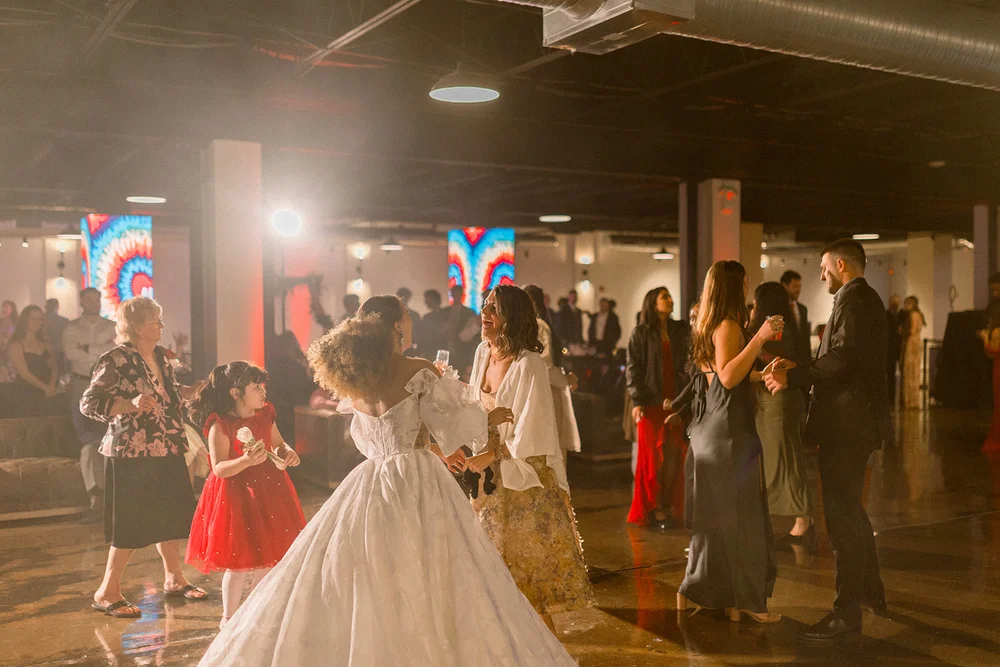
Today’s most impactful events aren’t just get-togethers; they’re experiences. Brands are moving beyond traditional gatherings to create moments that spark connection, emotion, and lasting memories.
From corporate celebrations to immersive brand activations, experiential corporate events are reshaping how organizations connect with their audiences. Rather than focusing solely on agendas and presentations, brands are designing experiences that engage the senses, invite participation, and leave guests talking long after the event ends.
In this guide, we’ll explore what experiential events are, why they matter more than ever, and how brands are bringing these experiences to life — especially within flexible, design-forward venues like Radius in Indianapolis.
What Are Experiential Corporate Events?
Experiential events focus on engagement, interaction, and emotion rather than just logistics. Instead of passive attendance, guests become active participants in the experience.
At their core, experiential events are designed around how guests feel, not just what they see.
Key characteristics of experiential events include:
- Intentional design that prioritizes emotion and connection
- Interactive elements that encourage participation and immersion
- Memorable brand moments rather than one-way presentations
Often referred to as experiential marketing events or brand experiences, these gatherings help brands build deeper relationships by creating moments that resonate on a personal level.
Why Experiential Events Matter More Than Ever
In a world saturated with digital content, experiences cut through the noise.
Unlike traditional events, experiential event marketing creates moments guests genuinely remember — and continue to talk about.
Why brands are investing in experiential events:
- Guests remember experiences longer than presentations or panels
- Stronger emotional connections lead to higher brand loyalty
- Increased social sharing extends reach organically
- Deeper engagement than traditional event formats
As event marketing trends continue to evolve, experiential and brand activation events are becoming essential tools for organizations that want to stand out and stay relevant.
Key Elements of a Successful Experiential Corporate Event
Memorable events are built with intention. The most successful experiential events combine thoughtful design, interaction, and storytelling.
Intentional Design & Atmosphere
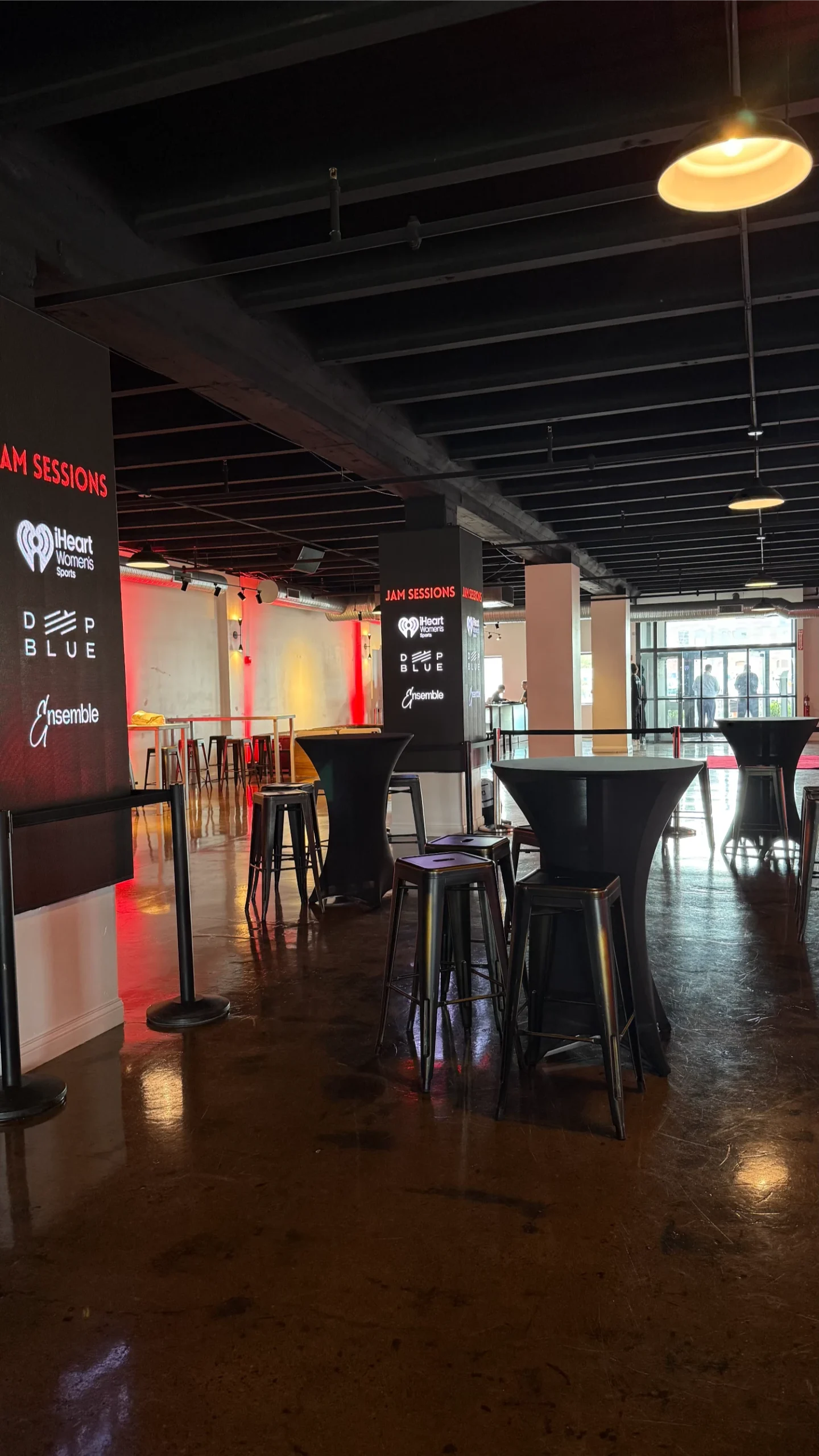
The physical environment plays a major role in shaping the experience. Lighting, layout, and flow should guide guests naturally through the event while supporting interaction.
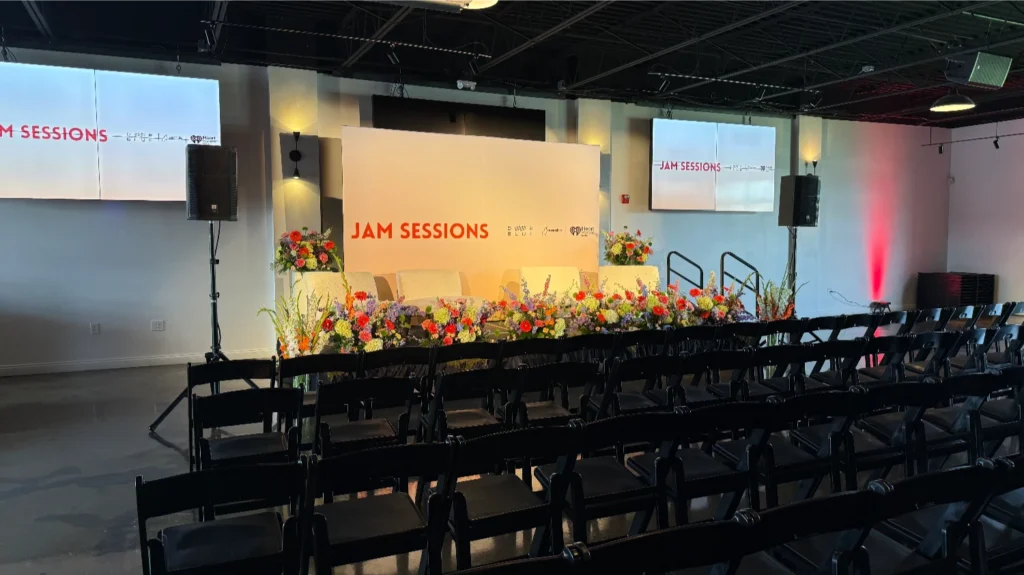
At venues like Radius, customizable branding options and open layouts make it easier to create immersive environments that feel polished and purposeful.
Interactive Touchpoints
Experiential events thrive on participation. Interactive event ideas might include:
- Hands-on installations or demo stations
- Personalization moments (custom swag, digital activations, live content)
- Opportunities for guests to engage with the brand in meaningful ways
Storytelling Through the Event Journey
From arrival to departure, experiential event design should follow a clear narrative.
- A strong welcome moment sets the tone
- Consistent messaging reinforces brand voice
- Seamless transitions keep energy flowing
How Brands Are Using Experiential Events Today
Experiential events are highly adaptable and work across industries and audiences.
Common formats include:
- Corporate events and conferences
- Product launches and brand activations
- Team celebrations and milestone events
- Community-focused gatherings and brand-driven experiences
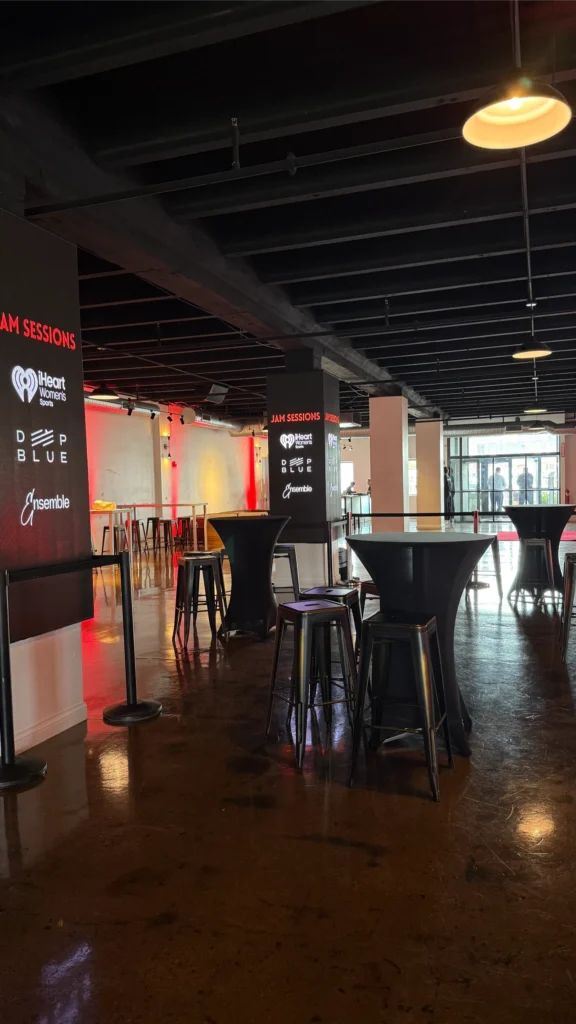
With its open vendor policy and flexible layout options, Radius is uniquely positioned to support experiential events of all kinds, allowing brands to fully customize their experience without creative limitations.
Planning an Experiential Event That Feels Authentic
Experience-driven events start with clarity. Before design and production begin, brands should define what they want guests to feel, do, and remember.
Key planning considerations:
- Clear goals and a deep understanding of your audience
- Intentional pacing and flow throughout the event
- Balancing creativity with logistics and guest comfort
Partnering with a flexible venue and experienced planning support helps ensure the creative vision translates seamlessly into a real-world experience.
The Role of the Right Venue in Experiential Corporate Events
The space you choose shapes the entire experience.
The best experiential event venues offer:
- Flexible layouts that support interaction and movement
- Strong lighting and audio-visual capabilities
- Central, accessible locations for guests
Radius was designed specifically to support experiential events and brand activations, making it a standout experiential event venue in Indianapolis for immersive, guest-driven experiences.
Experiential Events in Action: Creating Moments That Last
It’s often the small moments guests remember most:
- Elevated welcome experiences that set the tone
- Social and photo moments designed for sharing
- Thoughtful send-offs or branded takeaways
These intentional touches transform events from one-time gatherings into lasting brand memories.
Create an experience your guests will remember?
Experiential events transform gatherings into meaningful moments—creating stronger connections between brands and their audiences. By prioritizing interaction, emotion, and thoughtful design, brands can turn events into experiences guests truly remember.
Ready to create an experiential corporate event in Indianapolis? Radius offers flexible spaces, built-in audio-visual capabilities, and expert planning support to help brands turn events into lasting memories. Book a tour and start planning your experiential corporate event today.